September 28, 2026
A narrow crack in a brick wall or a slight gap beside an outdoor step may seem easy to overlook. Yet masonry is exposed to rain, shifting ground, and changing temperatures year after year. A small opening can admit water or signal that part of a structure is moving, and the visible mark may reveal only a portion of the problem. Calling masonry contractors early gives homeowners a chance to understand what changed before the damage spreads or begins to interfere with how the space is used.
Early attention does not mean assuming every hairline crack is an emergency. Mortar, brick, stone, and concrete can show wear for different reasons. A professional assessment helps distinguish a localized repair from a condition that needs a broader look. It also directs attention to the cause, not just the appearance of the crack.
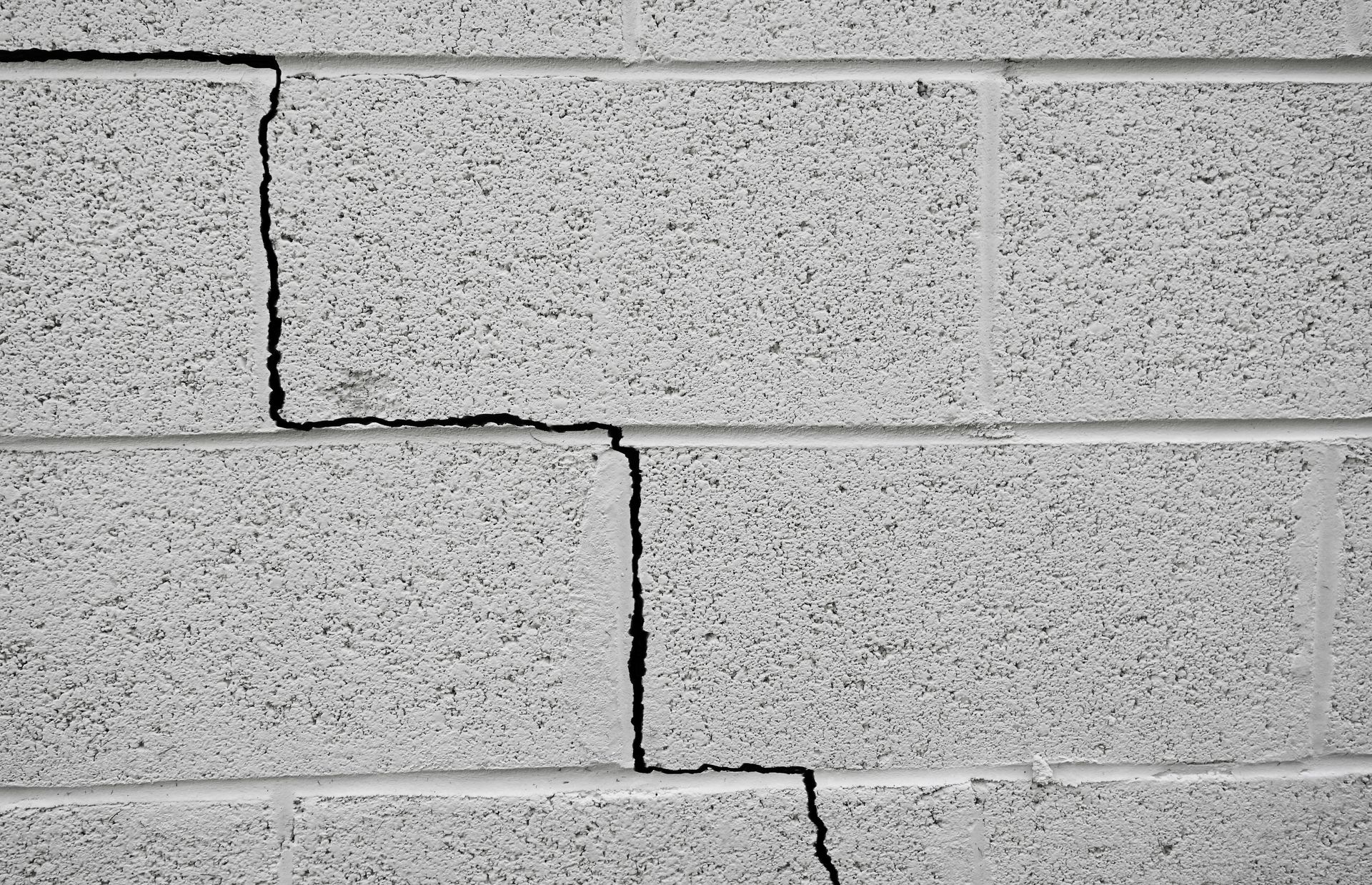
A Crack Can Reveal More Than Its Width
The size of a crack is only one clue. Its direction, location, and relationship to nearby openings can say more about what is happening. A gap following a mortar joint may raise different questions from a crack that cuts through brick or runs across several materials. Changes near a doorway, for example, may also affect whether the door closes normally. Describing where the crack began and whether it has changed helps focus a professional evaluation.
According to the Mason Contractors Association of America, masonry is used in more than seven out of every ten buildings worldwide. That prevalence reflects how often brick, stone, and related materials form the surfaces people rely on every day. When one of those surfaces begins to crack, its role matters: a garden wall, a chimney, and a foundation do not face identical conditions or consequences. Masonry contractors can examine the damaged area in context rather than prescribe the same repair for every visible line.
Sometimes a crack remains limited to a small section; other times, surrounding mortar loosens or the opening widens. An early assessment helps determine which situation the homeowner is facing. Waiting until brickwork crumbles or a wall visibly shifts can make it harder to separate the original cause from subsequent damage. Noticing a change early preserves more information about how the issue developed.
Worn Mortar Leaves Brick and Stone Exposed
Mortar holds masonry units together and fills the joints between them. As joints wear, they may recede, crack, or shed small pieces. Even when the brick or stone still looks sound, missing mortar can leave openings for rain. Once moisture reaches farther into a wall, the affected area may extend beyond the joint that first caught the homeowner's attention. A close look at the surrounding masonry can reveal whether deterioration is isolated or widespread.
Repointing replaces deteriorated mortar in the joints, but successful repair begins with understanding why those joints failed. Weather exposure, movement, and the condition of adjacent materials may all matter. Masonry contractors can evaluate the pattern of deterioration and determine where repointing belongs within a repair plan. This is especially relevant to older brickwork, where preserving the existing appearance matters alongside addressing the damaged joints.
White residue on brick, known as efflorescence, can be another reason to investigate. It may appear when moisture moves through masonry and leaves salts at the surface. The residue itself does not identify where the moisture entered, so a surface-only response may miss the source. Looking at joints, nearby openings, and water exposure together offers a fuller picture of why the mark appeared.
Water Can Carry Damage Into Other Areas
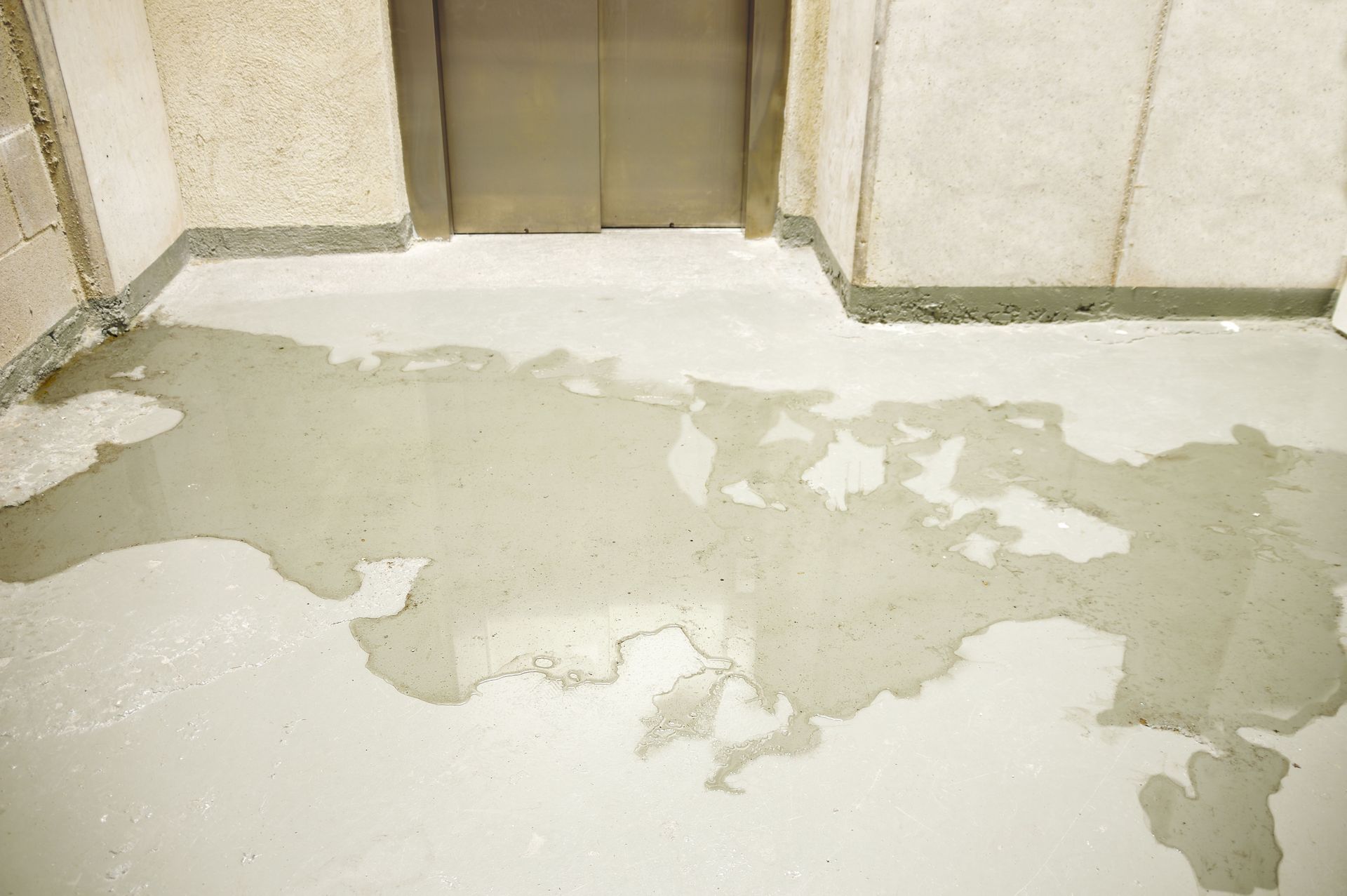
Water often changes the stakes of a small masonry problem. A crack on an exterior wall may allow moisture to reach materials behind the visible surface. At a foundation, signs of infiltration may show up inside a basement as dampness or staining, away from the opening that first admitted water. The farther those clues appear from one another, the more useful a professional assessment becomes. It can connect visible masonry damage with conditions elsewhere in the home.
Foundation cracks deserve particular attention when they appear alongside basement moisture or signs of settling. Not every mark calls for the same repair, and covering an opening without addressing water entry or movement may leave the underlying condition unresolved. Masonry contractors who handle foundation repair and waterproofing can assess both the crack and the moisture concern. That combined view helps homeowners understand whether the work involves a masonry repair, a waterproofing measure, or both.
Water-related problems can also change with the season. A basement may seem dry during one visit and show moisture after heavy rain. Explaining when dampness appears and where it collects gives the contractor useful context. Earlier attention provides time to evaluate the pattern before repeated water entry affects more of the surrounding space.
Chimney Cracks Deserve Their Own Assessment
A chimney faces weather on every side, often high above the parts of the home a homeowner sees closely. Cracked masonry, deteriorating mortar, or loose sections can therefore develop without much notice from the ground. Small changes become more concerning when they allow water into the structure or affect its stability. Because the chimney also serves a functional part of the home, its condition calls for an assessment specific to chimney construction.
The location of the damage helps shape the next step. A limited area of worn mortar is different from widespread deterioration or a chimney that needs substantial rebuilding. Masonry contractors with chimney repair experience can assess those distinctions and explain whether repair, ongoing maintenance, or more extensive work is appropriate. The aim is to match the response to what the chimney needs, not to judge its condition from one crack seen at a distance.
Even when a fireplace is used infrequently, exterior chimney masonry remains exposed to rain and temperature changes. A developing issue does not pause between heating seasons. Seeking an assessment when damage first becomes apparent can help keep a manageable repair from becoming a more involved restoration.
Uneven Steps and Walkways Affect Everyday Use
Cracks at ground level are easy to dismiss as cosmetic until a step shifts or a walkway becomes uneven. These areas carry regular foot traffic, so a change in height or stability can affect how people approach a home. Crumbling edges, separated joints, and movement between sections each warrant a closer look. The relevant question is not simply whether the crack is visible, but whether the surface remains sound and comfortable to use.
Outdoor stairs, sidewalks, patios, and driveways also face water and changing temperatures. A repair plan must account for the surrounding surface, particularly where damaged sections meet other materials. Work may involve repairing masonry or addressing an area too deteriorated for a limited repair. Discussing the damage before it spreads helps homeowners understand the approach.
Retaining walls present another reason to take changes seriously. They hold back soil while shaping usable outdoor space, so cracking accompanied by leaning or bulging deserves prompt professional attention. A surface blemish and a wall moving under pressure are different problems. An evaluation of the whole wall can clarify whether the visible crack reflects localized wear or a larger concern about the structure.
Small cracks are useful warning signs because they offer a chance to understand a problem while its history is still visible. A timely assessment can connect the mark on the surface with the conditions behind it and guide a response suited to that particular structure. At Fenway Masonry & Waterproofing, Chimney Repair, Basement Repair Boston, we assess and repair masonry, chimneys, and foundations, including damage associated with moisture. Contact us to discuss the changes you have noticed and arrange an evaluation.