October 5, 2026
Basement waterproofing is an essential service for homeowners seeking to protect their property from potentially devastating water damage. Through this article, we will examine the mechanics of basement waterproofing, the risks of water damage, and how choosing the right basement waterproofing service can make all the difference.
Understanding Basement Waterproofing
The Basics of Basement Waterproofing
Basement waterproofing involves a series of techniques and products designed to prevent water penetration into the basement area of a home. This process can include both interior and exterior methods, depending on the specific needs and conditions of the structure. Proper waterproofing starts with understanding the sources of moisture and how they interact with the building materials used in basement construction.
One of the primary goals of waterproofing is to create a barrier between the building and external water sources, whether they arise from rain, ground moisture, or nearby water bodies. It's important to address both visible leaks and the more insidious forms of moisture that can seep through walls and floors. Effective waterproofing solutions should thus focus on sealing cracks, diverting water away from the foundation, and controlling humidity levels within the basement.
Choosing the correct waterproofing methods requires a thorough assessment of the basement's existing conditions. This ensures that the chosen solution is both adequate and sustainable in the long run. It's essential to understand that while some techniques might suit certain environments, others might require a more tailored approach, highlighting the importance of professional evaluation and service.
Common Waterproofing Techniques
There are several common techniques employed in basement waterproofing to prevent water intrusion. These include exterior waterproofing solutions, which involve applying waterproof coatings and membranes to the outside of the foundation walls. This method is particularly effective for stopping moisture before it can reach the interior spaces of a basement.
Interior waterproofing, on the other hand, focuses on managing water that has already penetrated the basement. This often involves the installation of sump pumps and drainage systems to effectively channel water out of the home. Other methods include the use of sealants and vapor barriers that control moisture and help prevent mold growth.
At the end of the day, the choice of waterproofing technique will depend on factors such as climate, soil conditions, and the age of the building. It's crucial to employ a combination of strategies to ensure comprehensive protection. Professional services can offer expertise in selecting and implementing the most beneficial waterproofing techniques for specific situations.
The Role of Professional Services
A professional basement waterproofing service plays a crucial role in ensuring the effectiveness and longevity of the waterproofing solutions applied. These experts possess the necessary tools and knowledge to accurately assess a basement's vulnerabilities and recommend appropriate strategies. The services offered by professionals extend beyond mere application; they also involve ongoing monitoring and maintenance.
Professionals are adept at identifying issues that may not be immediately visible to homeowners. Their trained eyes can spot subtle warning signs of water infiltration, such as discolored walls or musty odors. By intervening early, these professionals can prevent problems from escalating into expensive repairs or irreversible damage.
Another key advantage of hiring professional waterproofing services is access to specialized materials and advanced technologies. These experts have the expertise to ensure that newly developed products and techniques are applied correctly, maximizing their effectiveness. Overall, enlisting the help of professionals is a worthwhile investment in preserving not just the basement, but the entire home.
Common Misconceptions About Waterproofing
Despite its importance, several misconceptions about basement waterproofing persist among homeowners. One such misconception is the belief that waterproofing is only necessary for homes with specific geographical risks, like high rainfall areas. In reality, any home with a basement is susceptible to water damage; according to House Cashin, 98% of basements experience some level of water damage.
Another common misunderstanding is that waterproofing is a one-time fix. This notion could not be further from the truth, as regular maintenance and inspections are crucial to ensuring the long-term effectiveness of any waterproofing system. Over time, environmental changes and wear and tear can compromise these systems, necessitating updates and replacements.
Identifying Basement Damage Risks
Structural Issues Due to Water Infiltration
Water infiltration is a significant threat to the structural integrity of any home, and basements are particularly vulnerable. Persistent moisture can lead to the weakening of foundations, causing cracks and even shifting of the structure over time. If left unchecked, structural issues from water damage can compromise the safety and stability of a home.
The presence of water can also lead to the deterioration of construction materials. Wood, for instance, can rot and become infested with pests, while metal fixtures may rust and corrode. This degradation can contribute to irreversible damage, making repairs both more difficult and more expensive.
Preventing structural issues starts with early detection and intervention, which is why regular inspections and maintenance of waterproofing systems are critical. By addressing water infiltration proactively, homeowners can safeguard their property and avoid the cascading consequences of structural damage.
Mold and Mildew
Mold and mildew thrive in damp, poorly ventilated environments, making basements a prime target when water is present. The growth of these fungi can pose serious health risks to occupants, including respiratory issues and allergic reactions. For individuals with preexisting conditions, exposure to mold can exacerbate symptoms significantly.
Beyond health concerns, mold and mildew can cause aesthetic and structural damage to a home. Stains on walls, ceilings, and floors can be difficult—and costly—to remove. Additionally, prolonged mold exposure can weaken materials, leading to further structural issues and compounding the original water damage.
Effective waterproofing solutions significantly reduce the risk of mold and mildew by preventing the conditions that allow them to flourish. Through proper moisture control and ventilation, homeowners can maintain a safe and healthy environment while protecting their investment from further harm.
Impact on Home Value and Resale
Water damage is a major red flag for potential homebuyers, as it can signal deeper, unseen issues that pose significant risks. Homes with a history of water damage typically see a decrease in market value due to the potential cost and effort required for repairs. As such, establishing a reputation for being well-maintained and waterproofed is crucial when considering resale.
Basements are no exception, as any indication of moisture issues can deter buyers or lead them to negotiate for a lower price. For homeowners planning to sell, investing in waterproofing is a proactive measure that can yield substantial returns. A house equipped with an effective waterproofing system can attract buyers and even command a premium price.
In today's competitive real estate market, clean inspection reports and demonstrated preventive measures like waterproofing can differentiate a property from others. A basement free of water damage signals to potential buyers that they are making a sound investment, ultimately enhancing the home's marketability.
How to Spot Warning Signs
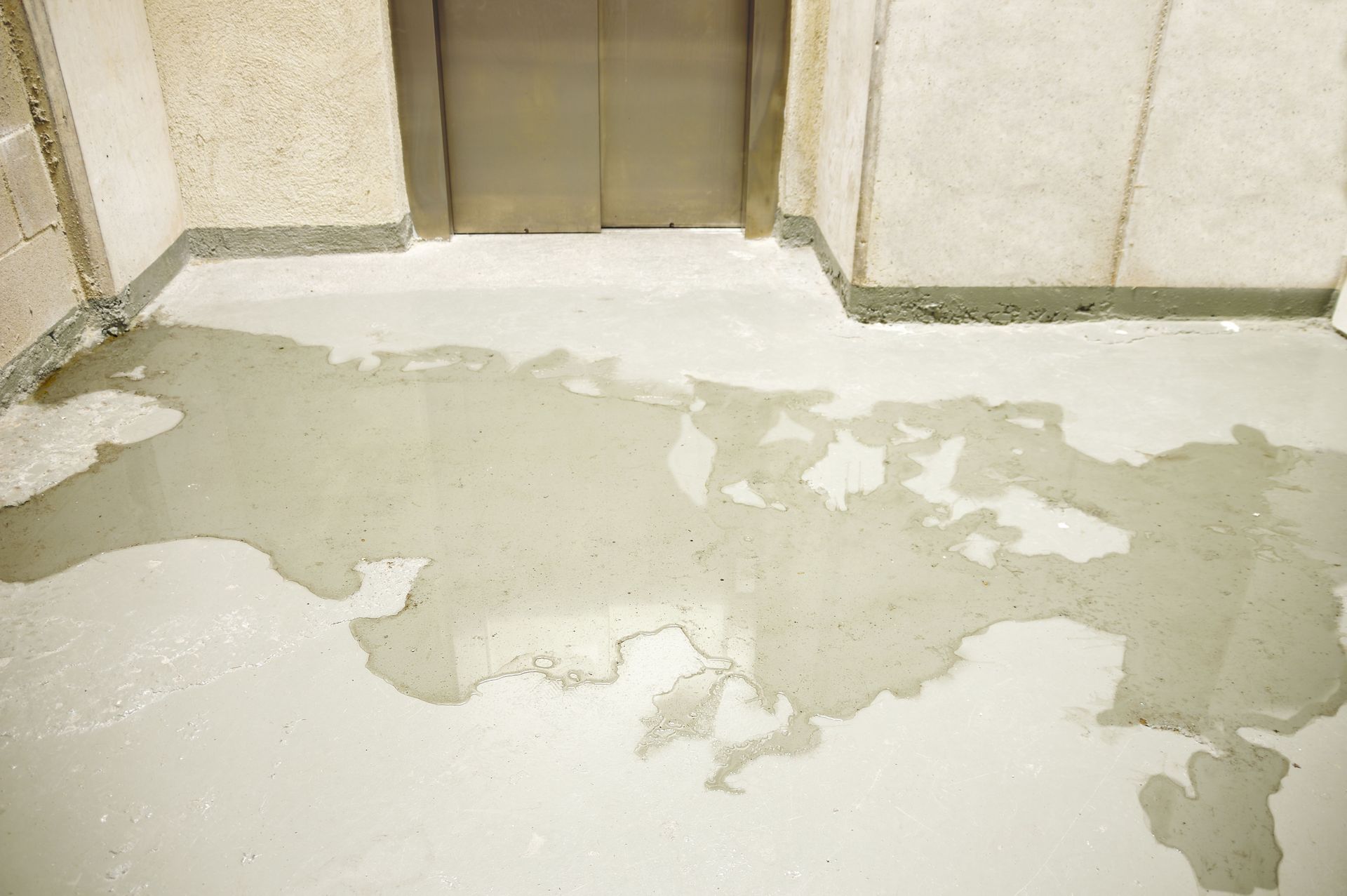
Identifying early warning signs of water damage in a basement is crucial for preventing more significant problems. Common indicators include the presence of dampness or standing water, discoloration on walls, or a persistent musty smell. Homeowners should also be attentive to changes in the basement's humidity levels, as this can signal moisture intrusion.
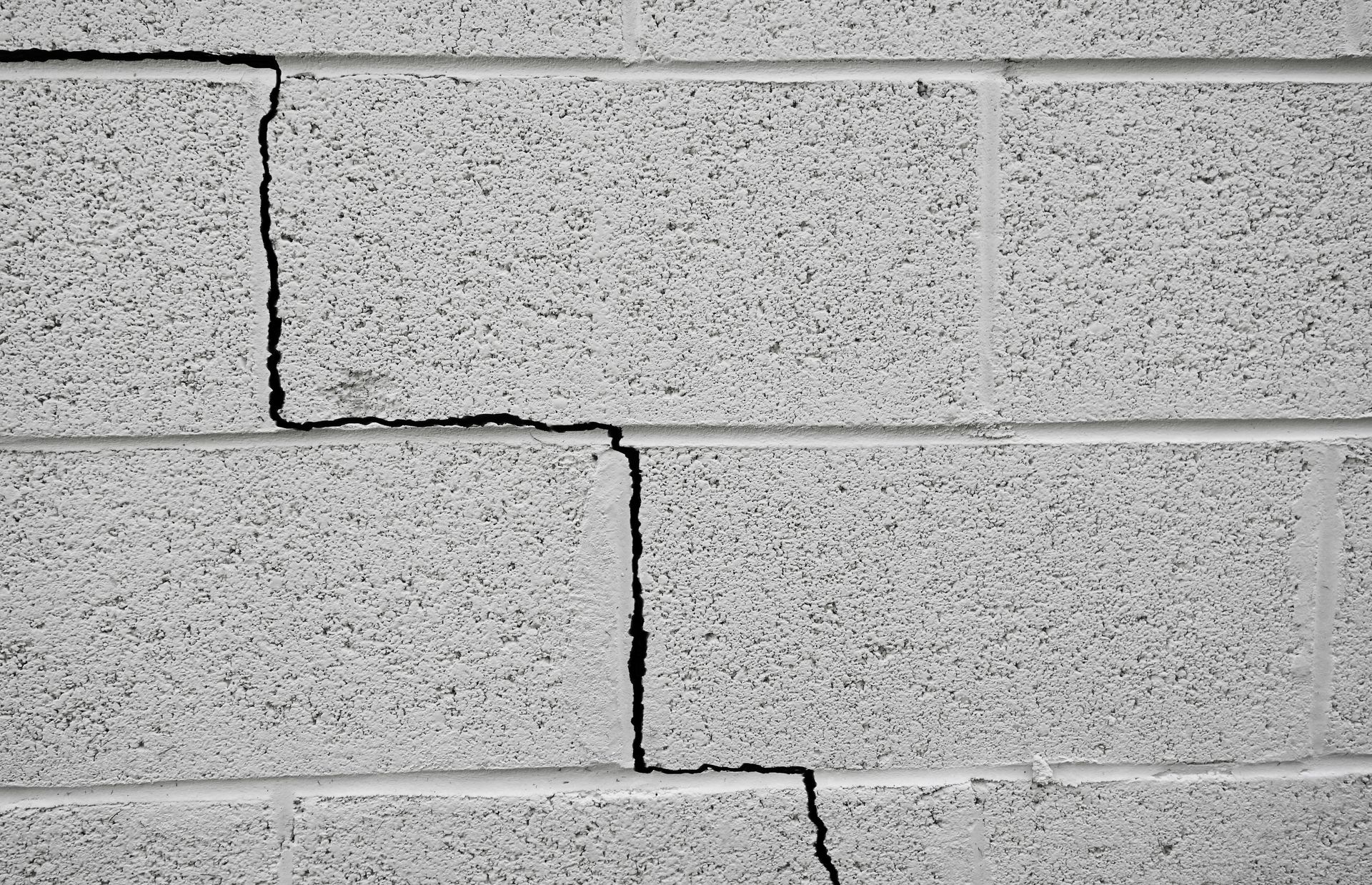
Structural changes, such as the appearance of cracks in the walls or floor, can also serve as early warning signs. These symptoms can point to underlying water-related issues that require prompt intervention. By staying vigilant and responding to these signals, homeowners can protect their property from worsening damage.
While often overlooked, waterproofing plays a vital role in maintaining the integrity and value of a home. It's not just about keeping water out; it's about safeguarding the structural health of your home and preserving its long-term value. If you're looking for a reliable
basement waterproofing service, reach out to Fenway Masonry & Waterproofing, Chimney Repair, Basement Repair Boston today!