May 4, 2026
A home rarely fails suddenly. Instead, it typically shows subtle warning signs long before serious damage becomes visible. Small cracks in drywall, slight floor unevenness, or doors that no longer close properly can all point to deeper structural movement. These issues often develop slowly as soil conditions shift or moisture levels change beneath the property. Many homeowners initially dismiss these signs as normal settling, but that delay can allow underlying problems to worsen. Over time, minor movement can place stress on load-bearing areas of the structure. Once that stress spreads, repair needs become more complex and costly. Early awareness is essential for protecting long-term stability and avoiding escalating damage.
Examining Exterior Conditions That Signal Foundation Stress
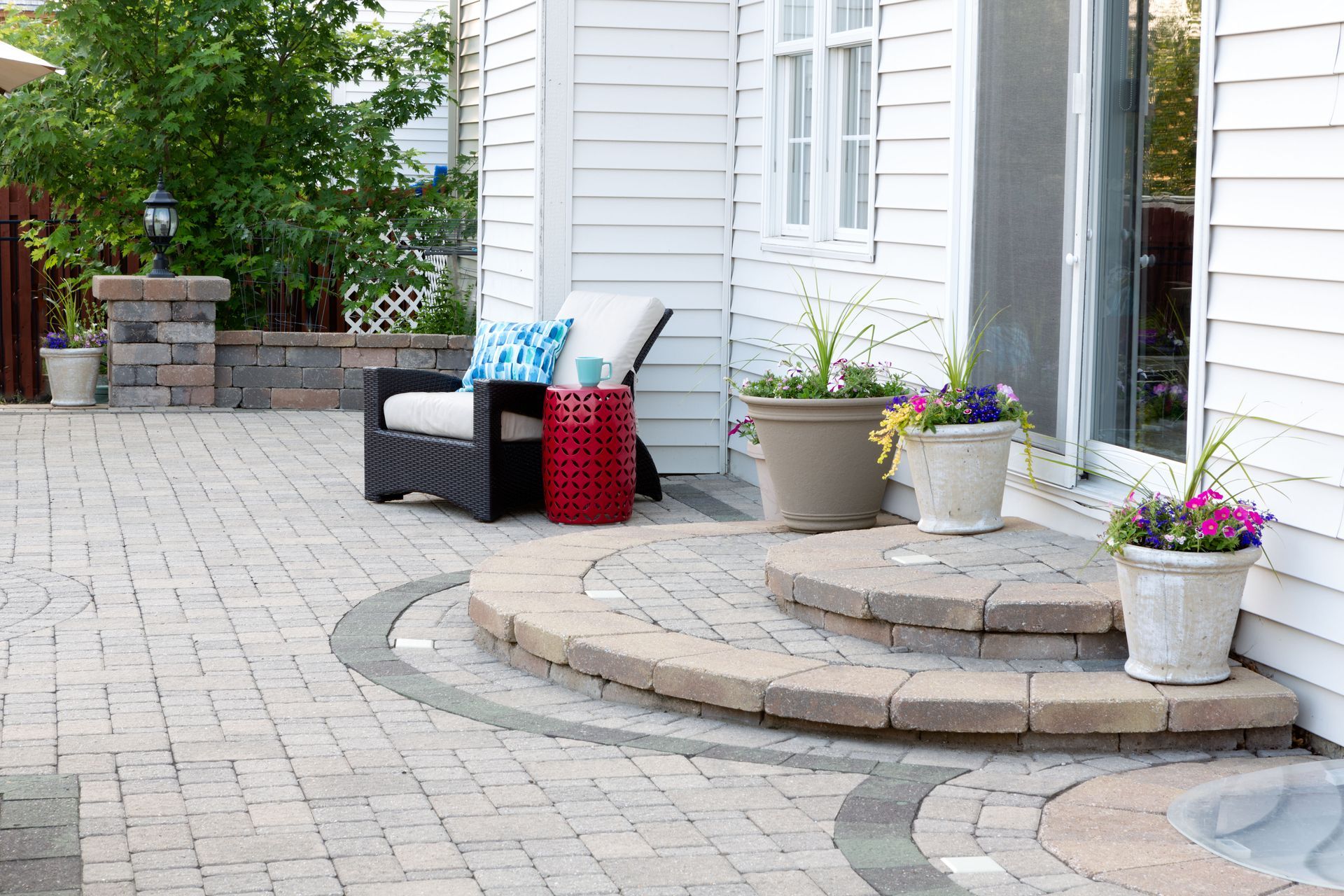
The exterior of a property often provides the clearest early clues that something below the surface is changing. Walkways that tilt, patios that separate from the home, or visible gaps near the base of the structure are all indicators of shifting ground. According to Forbes, driveway sealing is generally recommended every two to five years to help protect surfaces from wear and water intrusion, which can indirectly influence soil conditions around a home.
When exterior maintenance is neglected, moisture can more easily penetrate surrounding areas and contribute to instability. Over time, these changes can increase pressure on the structure beneath. What begins as a surface concern may eventually evolve into deeper structural strain. In many cases, homeowners only recognize the connection once visible damage becomes more pronounced. Foundation repairs are often discovered to be necessary after these exterior warning signs have been overlooked for too long.
Analyzing Soil Behavior And Its Impact On Stability
Soil is one of the most influential yet least visible factors affecting a home’s structural health. Expansive clay, sandy compositions, and shifting moisture levels all behave differently under changing environmental conditions. When soil expands due to heavy rain or contracts during dry periods, the movement can place uneven pressure on a foundation.
This imbalance may cause portions of the structure to sink or lift slightly over time. Even small shifts can create long-term alignment issues throughout the home. Residents may notice stair-step cracking in brick, sloping floors, or subtle tilting in interior spaces. These symptoms are often gradual, making them easy to ignore until they become more severe. When soil instability progresses, structural intervention is frequently required to restore balance.
Evaluating Moisture Intrusion And Drainage Issues
Water is one of the most common contributors to structural deterioration in residential properties. Poor drainage, clogged gutters, or improper grading can allow water to pool near the base of a home. Over time, this moisture weakens soil support and increases the likelihood of movement beneath the structure. Small foundation cracks can also allow water to seep inward, further compounding the issue.
Damp basements, musty odors, or visible water stains are often early indicators of a moisture problem. Left unaddressed, these conditions can accelerate deterioration and affect both structural and indoor air quality. Proper drainage systems play a critical role in directing water away from the property. When moisture issues persist, foundation repairs may become necessary to correct the resulting structural impact.
Observing Interior Changes That Reflect Structural Problems
Interior symptoms often reflect what is happening beneath the surface of a home. Cracks forming along ceilings or walls, doors that stick, or windows that no longer align properly can all signal foundation movement. These changes may appear small at first, but tend to worsen gradually as structural stress increases.
Homeowners may also notice gaps forming between trim and walls or a slight floor slope in certain areas. While these issues might seem cosmetic, they frequently indicate deeper instability. Interior changes are especially important because they tend to appear after exterior or underground issues have already begun. Professional inspection is often needed to determine the root cause. In many cases, foundation repairs are recommended once multiple interior warning signs appear together.
Reviewing The Role Of Preventive Maintenance Strategies
Preventive maintenance plays a major role in reducing the likelihood of severe structural damage. Routine inspections allow homeowners to identify issues early before they evolve into costly repairs. Seasonal changes, heavy rainfall, and temperature fluctuations can all influence how a home responds over time. By monitoring these changes, homeowners can address small concerns before they escalate.
Maintenance efforts may include checking for cracks, ensuring proper drainage, and maintaining consistent grading around the property. These steps help reduce unnecessary stress on the structure. Preventive care is often far more cost-effective than waiting until damage becomes visible. When maintenance is consistent, the need for extensive intervention is significantly reduced.
Addressing Structural Concerns With Professional Expertise
When warning signs become more noticeable, professional evaluation becomes essential. Specialists can assess both visible symptoms and hidden underlying causes. This allows for a more accurate understanding of what is affecting the structure.
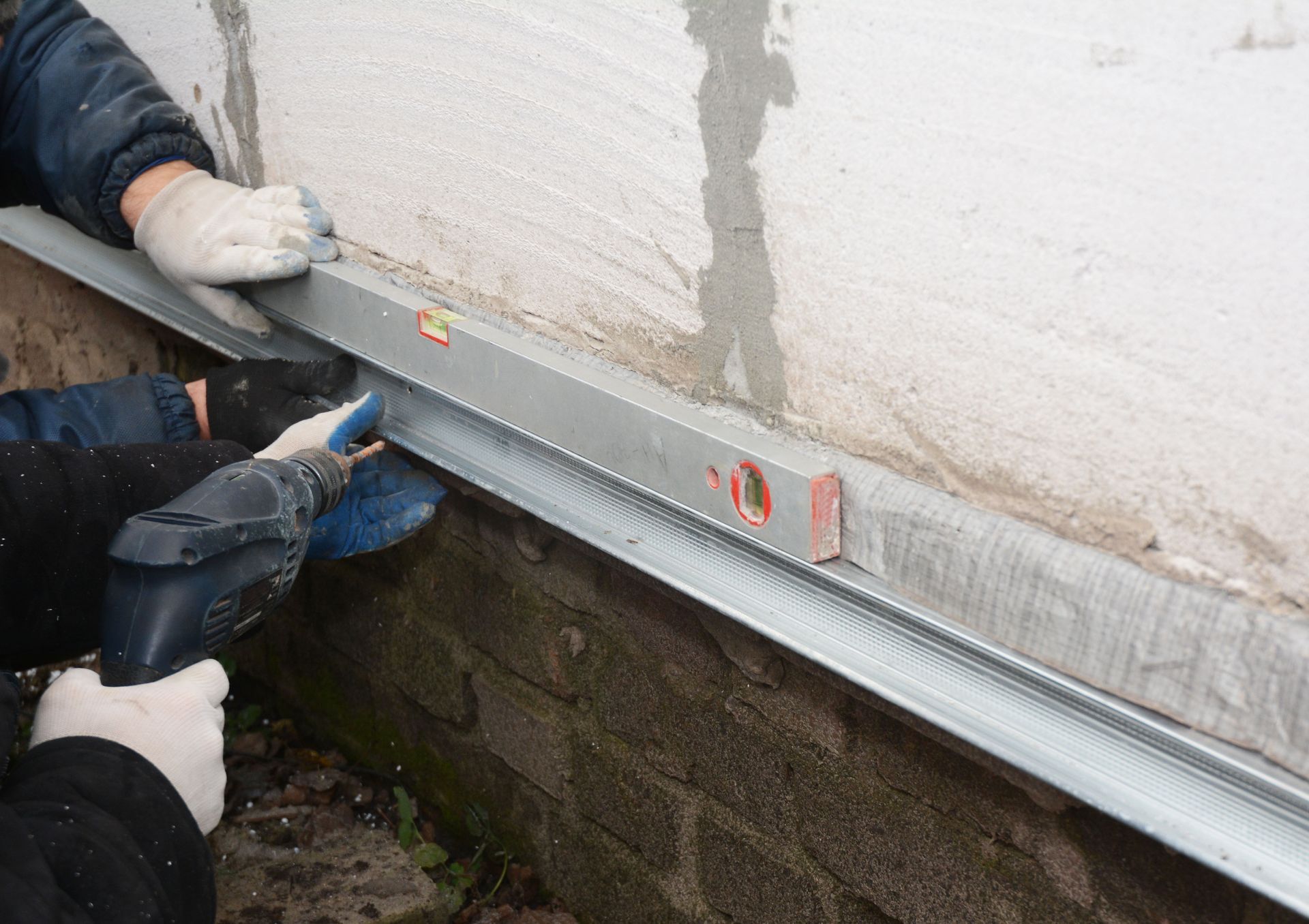
Attempting to address complex foundation issues without proper expertise can lead to incomplete or temporary solutions. Professional assessment ensures that all contributing factors are identified and properly managed. Repair strategies are then developed based on the severity and source of the problem. This approach helps restore stability more effectively and prevents recurring issues. In many situations, foundation repairs guided by experienced professionals offer the most reliable long-term resolution.
Considering Long-Term Property Value And Market Stability
Structural integrity plays a significant role in maintaining or increasing property value. Buyers and inspectors pay close attention to signs of foundation movement, past repairs, or visible cracking. Homes that show strong structural stability tend to perform better in the real estate market. Addressing issues early helps preserve both appearance and long-term value.
Neglected problems, on the other hand, can reduce buyer confidence and lower market appeal. Maintaining a solid foundation is therefore not only a safety concern but also a financial one. Consistent care reflects responsible ownership and improves resale potential. Even when repairs are needed, properly completed work helps protect long-term investment value.
Restoring Stability Through Timely Intervention
When structural movement progresses beyond early warning signs, corrective action becomes necessary. Timely intervention can help prevent further damage and restore balance to the home. Repair strategies often focus on stabilizing affected areas and preventing future movement. Delays in addressing issues typically lead to more extensive and expensive solutions.
Once structural integrity is compromised, ignoring the problem only increases risk. Acting quickly with timely foundation repairs allows for more controlled and efficient repairs. In many cases, homeowners find that early intervention reduces overall disruption to daily living. Foundation repairs performed at the right time can significantly improve long-term home stability.
Strengthening Homes Through Consistent Structural Care
Maintaining a strong foundation requires ongoing attention rather than one-time fixes. Homes naturally shift over time, making periodic evaluation essential. Environmental conditions, soil changes, and water exposure all influence structural performance. By staying proactive, homeowners can reduce the likelihood of unexpected issues. Regular monitoring helps identify changes before they become serious concerns. This approach supports long-term durability and overall property health. Structural care is ultimately about prevention as much as correction. Consistency is what preserves strength over the lifespan of a home.
Protecting a home through professional foundation repairs, starts with recognizing early warning signs and responding before problems escalate. Small structural changes often signal deeper issues that require attention. Soil movement, moisture intrusion, and drainage problems all contribute to long-term foundation stress. Addressing these factors early helps prevent more serious damage and costly repairs. Homeowners who stay proactive are better positioned to maintain structural safety and property value. Professional evaluation ensures that problems are accurately identified and properly resolved.
If you are noticing signs of structural movement or want to protect your home’s long-term stability, contact Fenway Masonry & Waterproofing, Chimney Repair, Basement Repair Boston. Their team provides expert assessment and dependable solutions designed to restore strength, prevent further damage, and ensure lasting foundation stability.