March 4, 2026
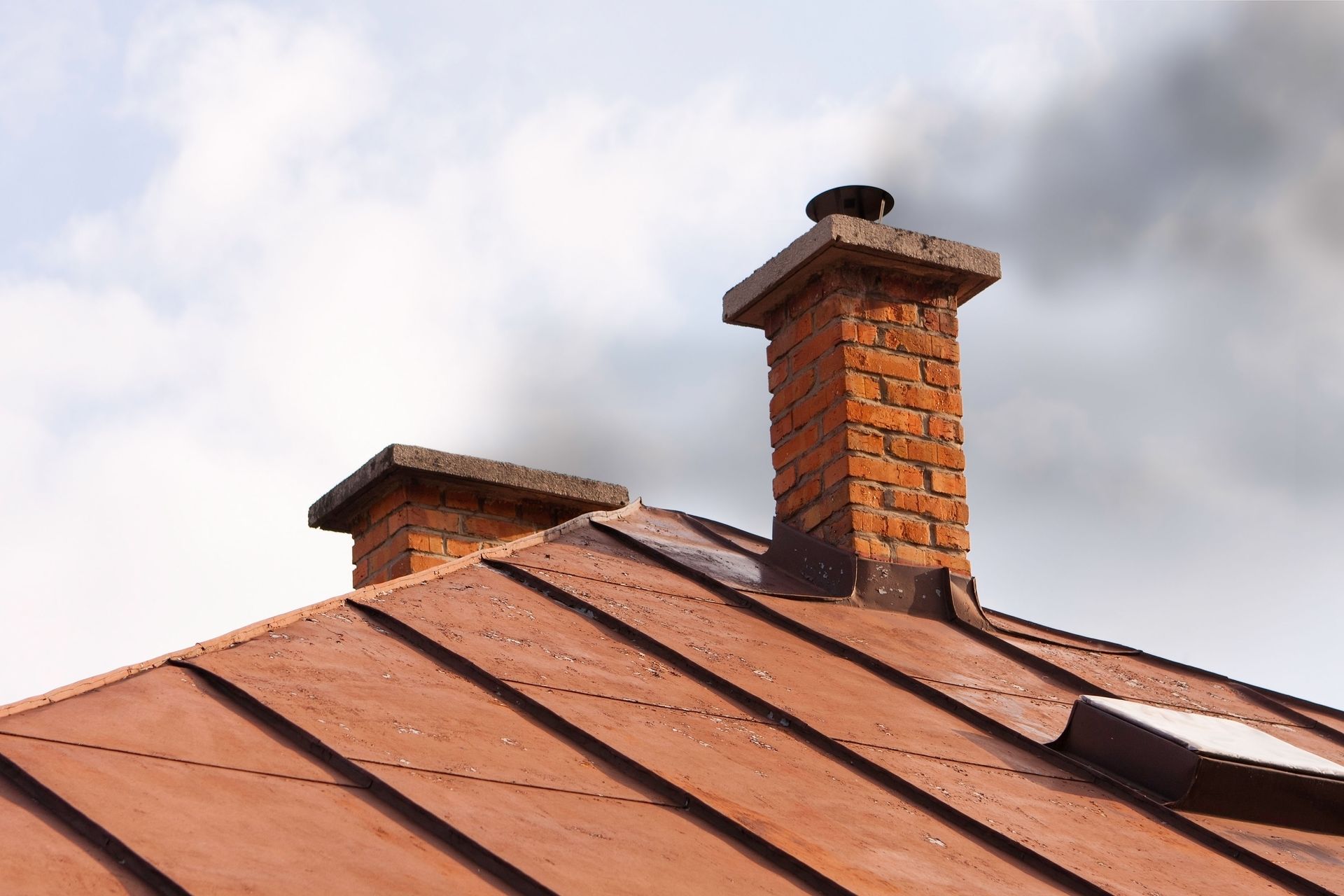
Chimneys are essential components of any home with a fireplace, providing a safe pathway for smoke and gases to exit. However, like any structural element, chimneys can develop issues over time that require professional attention. Being aware of these signs can prevent minor issues from escalating into significant problems. Let's take a moment to outline a few key indicators that suggest it's time to call in an expert for chimney repairs. Understanding these signs will help maintain the safety, efficiency, and longevity of your fireplace system.
1. Unusual Odors
Unusual odors emanating from your chimney can indicate several underlying issues that may require immediate attention. One common cause of these odors is the buildup of creosote, a combustible byproduct of wood burning that accumulates on the chimney walls. Creosote not only produces a strong, unpleasant smell but also poses a significant fire hazard if not regularly cleaned. Another possible source of unpleasant odors is moisture infiltration, which can lead to mold and mildew growth inside the chimney structure. Finally, animal nesting within the chimney can also create foul odors as organic matter begins to decompose.
Nesting animals such as birds or squirrels often find chimneys to be ideal residences, especially during colder months. Their presence can cause blockages that trap the smoke and exhaust gases within the structure of the home, allowing unwanted smells to permeate indoor spaces. Additionally, blockages can lead to improper drafting, further exacerbating odor issues, as approximately 70% of smoke can reenter your home with a faulty chimney, according to the EPA. Exhaust fumes that fail to vent properly can also contribute to harmful indoor air quality conditions, with carbon monoxide being a serious risk if left unchecked. Identifying these odor sources promptly can prevent health hazards and ensure your chimney functions efficiently.
Blockages and obstructions within the chimney are also major contributors to unusual odors. Leaves, twigs, and other debris can accumulate, causing incomplete combustion and subsequent odor problems. Furthermore, these obstructions hinder the flue's ability to draw smoke upwards and out of the house, causing it to back up into the living area. This can create a dangerous environment, as inhaling smoke and fumes presents significant health risks. Regular cleaning, inspections, and chimney repairs can help catch these issues before they produce pronounced odors or impact air quality.
2. Smoke Backs Up Into Your Home
Smoke backup is a common problem when there is a flue blockage, preventing proper ventilation. This can result from debris, animal nests, or creosote buildup, which clogs the passageway. Smoke entering your home is not only a nuisance; it poses health risks by degrading air quality and increasing carbon monoxide levels. A damaged or missing chimney cap can exacerbate this issue, allowing debris to enter the flue and worsen blockages. Professional cleaning and inspection can rectify blockages, ensuring a clear path for smoke and gases to escape efficiently.
In addition to flue blockages, problems with the chimney cap can lead to smoke backing up into your home. A damaged cap allows rain, debris, and small animals to enter the chimney, potentially leading to more obstructions. Drafting issues may also arise from poor fireplace design, where the flue's diameter or height is not proportionate to the fireplace opening. This imbalance can hinder proper smoke venting, causing it to seep back into indoor spaces. Addressing cap and design concerns with expert assistance can prevent harmful smoke reentry and improve overall heating efficiency.
Finally, aging or cracked chimney liners might be to blame for smoke problems. Liners are vital in protecting chimney walls and ensuring toxic smoke and gases are thoroughly vented through the flue. Once cracks form, the fireplace draft can weaken, allowing smoke to back up into the home's interior. A deteriorating liner could rapidly escalate into a safety hazard, necessitating timely chimney repairs. Your chimney professional can evaluate the liner's condition and recommend suitable repair options to restore functionality and safety for your household.
3. Visible Cracks and Deterioration
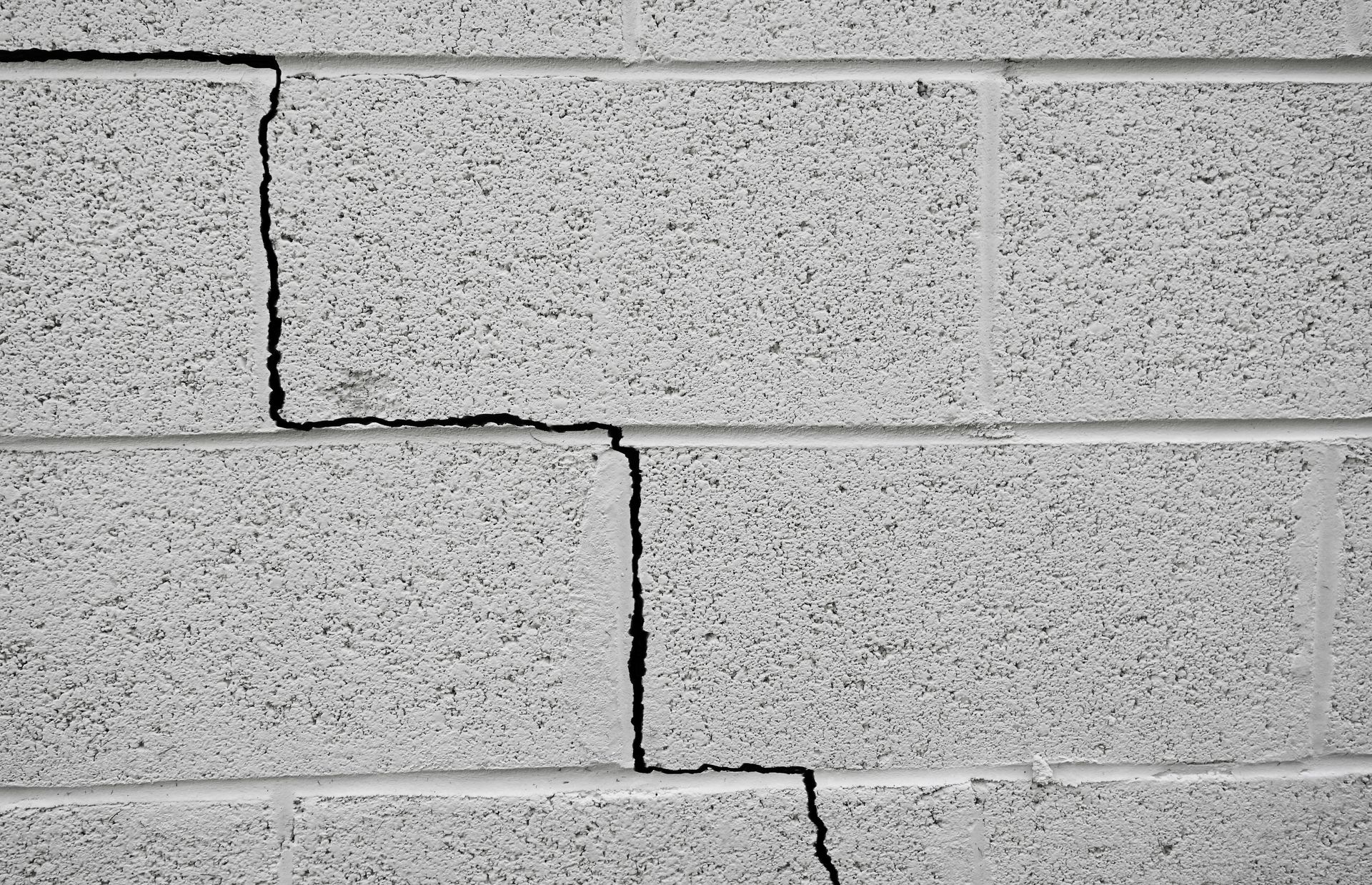
Visible cracks and deterioration often signify deeper structural issues that require immediate chimney repairs. This can be caused by water infiltration, which causes bricks or mortar to flake off, compromising the chimney's structural integrity. This damage not only affects aesthetic appeal but can also lead to more extensive issues if neglected. Mortar joint damage is another concern, as erosion weakens the bonds between bricks, allowing increased moisture ingress. Regular maintenance and timely repairs can prevent these issues from escalating and ensure your chimney remains safe and stable.
Flue tile fragmentation is yet another sign of chimney deterioration that should not be ignored. The flue tiles lining the interior of a chimney serve as critical barriers between combustible materials and high temperatures. Cracked or fragmented tiles can expose chimney walls to heat, gas, and moisture, and increase the risk of fire and further degradation. Moreover, crown cracking, where the horizontal concrete layer at the top of the chimney succumbs to weathering, weakens its ability to protect against water infiltration. Inspecting both the interior and exterior of the chimney for these damages ensures informed repair decisions.
A leaning chimney stack is a particularly worrisome sign of structural compromise. Leaning may result from poor initial construction or foundation problems that cause the chimney to separate from the house. The increased pressure on the bricks exacerbates cracking and renders the chimney more susceptible to collapse. Immediate structural evaluation is necessary when a leaning stack is observed to determine the severity of foundational issues. Professionals can suggest appropriate reinforcing or rebuilding solutions to rectify the situation responsibly and safeguard your home.
4. Noticeable Water Damage
Water damage is a prevalent issue that can lead to severe problems requiring professional repair. Staining on the exterior of the chimney often indicates moisture penetration, which can degrade the brickwork and mortar over time. Prolonged exposure to moisture not only affects the chimney's aesthetics but also its structural integrity. Water can also seep into the walls, leading to mildew or mold growth, which poses health risks to residents. Professional waterproofing measures and repairs are vital in mitigating these issues and preserving the chimney's condition.
In addition to exterior stains, water damage can manifest as interior wall moisture, signified by damp spots or peeling paint. This moisture intrusion may emanate from flashing problems or gutter leaks, warranting thorough investigation. Rusted components, such as the firebox or damper, also point to excessive water infiltration that can severely undermine efficient fireplace operation. Regular inspections can identify the source of water damage and facilitate timely interventions before significant harm occurs. Addressing these concerns with expert chimney repairs can extend your chimney's lifespan and protect your home's interior.
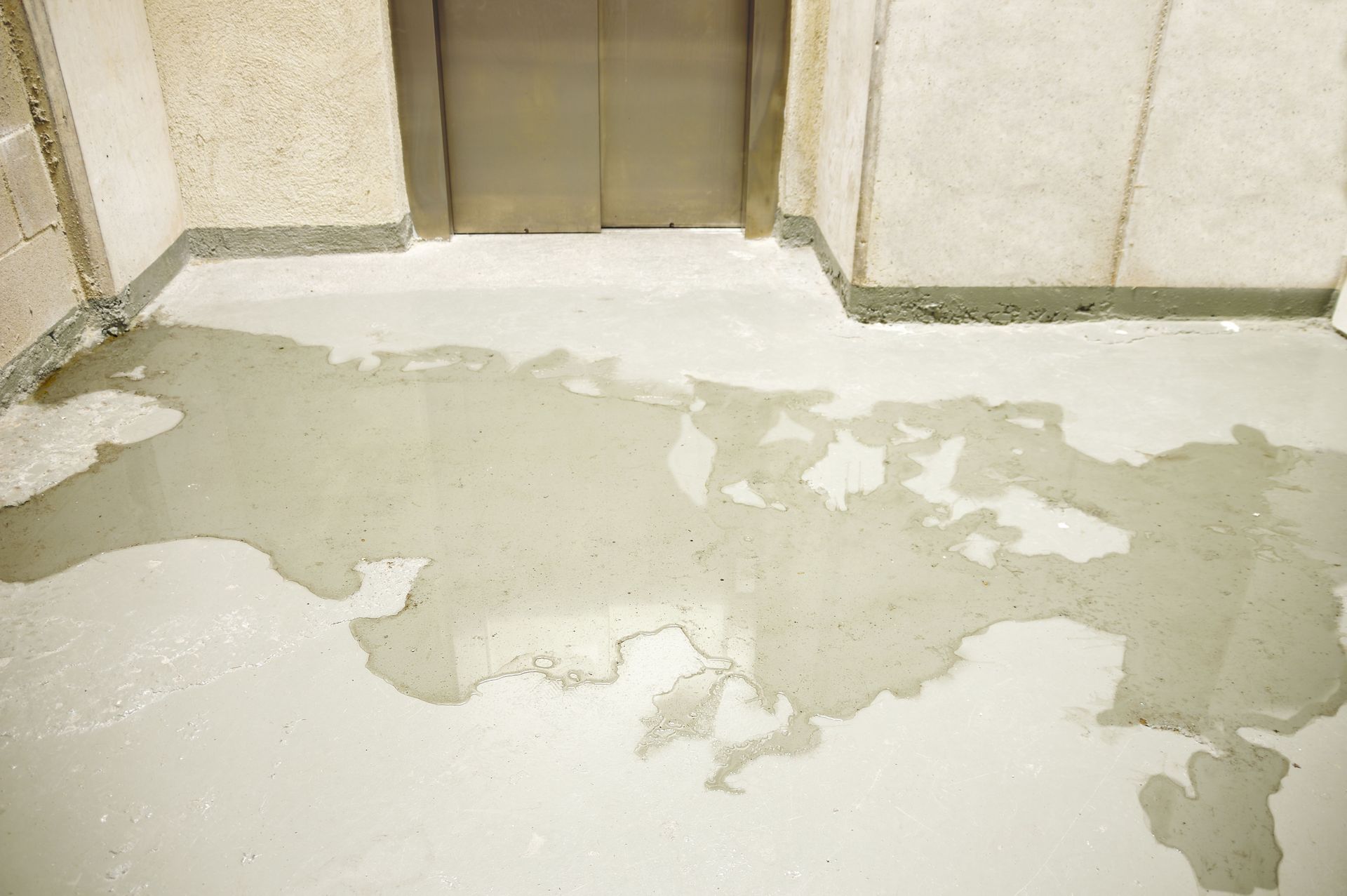
Another unnoticed result of water damage is basement dampness caused by chimney leaks. Without proper repairs, water entering the chimney during rainfall may pool at its base, allowing dampness to spread throughout the basement area. This excess moisture encourages mold growth and lowers indoor air quality, impacting the health and comfort of occupants. Repairing chimney leaks and ensuring proper drainage can counteract these damaging effects and secure a dry, healthy basement environment. A chimney professional can assess vulnerabilities and implement water-impermeable solutions, protecting your home from further damage.
It's crucial to address any symptoms of chimney issues immediately to ensure the safety, efficiency, and longevity of your fireplace system. Professional inspections and timely chimney repairs can prevent dangerous situations and costly damage. Regular maintenance not only safeguards your home and health but also enhances your overall fireplace experience. With expert guidance from Fenway Masonry & Waterproofing, Chimney Repair, Basement Repair Boston, you can trust your chimney to continue providing warmth, ambiance, and reliability for years to come.